
 UAE
UAE
 KSA
KSA
 Kuwait
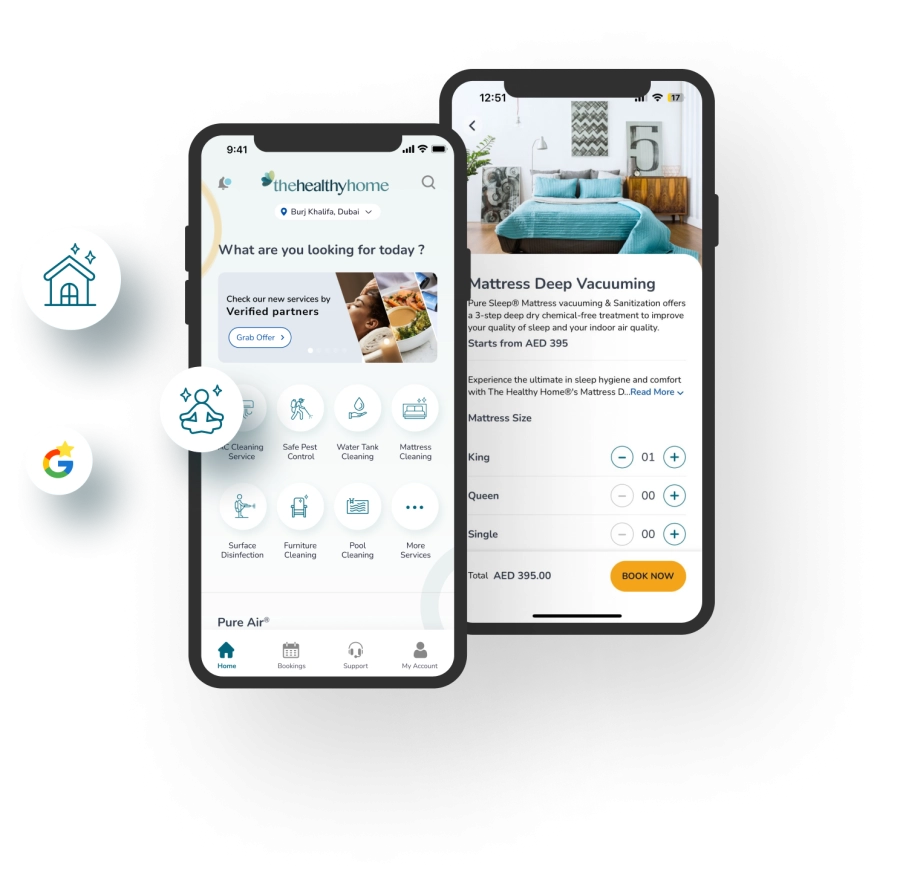
Now Live: The Healthy Home® App
Experience The Healthy Home®, your premium choice for home services. Download the app to easily book, schedule, and relax with the care your family deserves.




)
Yes, you can drink tap water in Dubai. The water supplied by DEWA (Dubai Electricity and Water Authority) meets World Health Organization standards and undergoes extensive treatment and testing before reaching homes. However, the quality of water that comes out of your tap depends not just on municipal supply, but on what happens between DEWA's network and your glass. Storage tanks, building pipes, and maintenance practices all affect whether tap water remains safe to drink.
Many residents in Dubai choose bottled water or filtration systems despite the municipality's treatment standards. This decision isn't always about the water DEWA supplies as it's often about what happens to that water after it enters a building. Villas and apartments store water in roof tanks before it flows to taps. The condition of these tanks, the age of internal plumbing, and maintenance history all influence final water quality.
The confusion intensifies because residents receive conflicting information. Property developers sometimes install filtration systems that imply tap water isn't drinkable. Neighbors share stories about odd tastes or sediment in their water. Maintenance companies recommend tank cleaning but don't explain how storage affects water safety. Some families drink tap water for years without issue while others in the same neighborhood prefer bottled water.
From what we typically see in Dubai villas, water quality varies significantly between properties even in the same community. A well-maintained villa with a recently cleaned tank and newer pipes can have excellent tap water. An identical villa next door with a neglected tank might have water that looks cloudy or tastes metallic. These differences have nothing to do with DEWA's supply, they reflect what happens inside the building.
Understanding where Dubai's water comes from, how it's treated, what can compromise it after treatment, and when additional filtration or maintenance becomes necessary helps you make informed decisions about drinking tap water in your home. Let's understand this in detail.
Dubai's tap water comes primarily from desalination plants that convert seawater into drinking water. The emirate operates some of the world's largest desalination facilities, producing over 470 million gallons daily. A smaller percentage comes from groundwater sources, but most residents receive desalinated water.
The desalination process removes salt and impurities through reverse osmosis or multi-stage flash distillation. After desalination, water undergoes remineralization to add essential minerals back i.e., calcium, magnesium, and others that improve taste and health value. DEWA then treats the water with chlorine to disinfect it and prevent bacterial growth during distribution.
Before entering the distribution network, water is tested for over 100 parameters including bacteria, heavy metals, pH levels, and chemical contaminants. DEWA's standards align with WHO guidelines, and independent audits verify compliance. The water that leaves treatment plants is safe to drink.
The distribution network consists of underground pipes that transport water throughout Dubai. DEWA maintains these pipes and monitors water quality at multiple points in the system. The municipal supply remains consistently safe as the variability comes from what happens after water enters individual buildings.
Water enters your villa or apartment through a ground-level connection and typically pumps up to a roof storage tank. This tank holds water until you open a tap, at which point it flows down through your building's internal plumbing. Every component in this path can affect water quality.
Storage tanks accumulate sediment over time. Dust, rust particles from pipes, biofilm, and mineral deposits settle at the tank bottom. If tanks aren't cleaned regularly, this sediment can harbor bacteria and affect taste. Tanks exposed to sunlight or high heat can also promote bacterial growth even in chlorinated water.
Internal plumbing introduces additional variables. Older copper pipes can leach copper into water, especially if water sits stagnant overnight. Galvanized steel pipes can rust, adding iron and affecting water color. PVC pipes are generally inert but can harbor biofilm if water sits too long between uses.
The time water spends in your tank matters significantly. A villa with high water usage refreshes its tank frequently, giving bacteria and sediment less time to develop. A vacation property or rarely used guest accommodation can have water sitting in the tank for weeks, which increases contamination risk regardless of how clean the tank was initially.
These building-level factors explain why your neighbor might drink tap water comfortably while yours tastes off. It's not the municipal supply as it's storage and plumbing conditions specific to your property. Regular water tank cleaning addresses the most significant variable in this equation, maintaining the quality of DEWA's clean water after it enters your building.
These signs don't automatically mean your water is dangerous, but they indicate conditions that could harbor bacteria or contain elevated contaminant levels. Testing or professional tank inspection can determine whether the issue is cosmetic or requires intervention.
1. Cloudiness or visible particles indicate sediment from your tank or pipes. This often appears when you first turn on a tap after extended periods without use, or consistently if tank sediment has accumulated significantly.
2. Metallic or unusual taste suggests pipe corrosion or mineral buildup. Copper pipes can give water a slightly metallic taste. Iron from corroded steel pipes creates a distinct taste and can cause reddish-brown discoloration.
3. Chlorine smell stronger than typical swimming pool levels indicates excessive treatment or water that's been sitting stagnant. Fresh DEWA water has a mild chlorine scent, but strong chemical odor suggests something's wrong with circulation or tank conditions.
4. Scale buildup on faucets, shower heads, and kettles reflects high mineral content, which isn't necessarily unsafe but indicates hard water that might benefit from water filtration for appliance longevity and taste improvement.
Point-of-use filtration makes sense for taste improvement even when water is technically safe. Activated carbon filters remove chlorine taste and odor. They also reduce some heavy metals and improve overall palatability without the cost and waste of bottled water.
Whole-house filtration systems address issues affecting multiple taps, useful if building-wide pipe problems affect all water outlets. These systems filter water as it enters your home, before it reaches individual taps or appliances.
UV purification systems kill bacteria and viruses without chemicals. They're useful if you're concerned about biological contamination from tank conditions but don't want additional chemical treatment. UV systems don't remove sediment or improve taste as they only address microbial concerns.
Reverse osmosis systems provide the most thorough purification but waste significant water in the process. They make sense for drinking water specifically rather than whole-house applications due to their inefficiency. An under-sink RO system for kitchen drinking water lets you maintain clean water quality without treating water used for showering or cleaning.
No filtration system compensates for poor tank maintenance. If your tank hasn't been cleaned in years, filtration treats symptoms rather than causes. The sediment and biofilm in your tank will continue accumulating, eventually overwhelming any filter and potentially causing health issues that clean water from a maintained system would prevent contamination.
At The Healthy Home®, we help Dubai families understand whether their tap water concerns stem from building conditions or whether filtration addresses their specific situation. When we assess water quality issues, we inspect tanks first and often what seems like a water quality problem is actually a maintenance issue that cleaning resolves completely. We've worked with families who installed expensive filtration systems before discovering their tank hadn't been cleaned in five years. Our assessments examine tank interiors, test water at different points in your plumbing, and explain what's actually affecting your water quality versus what marketing from filtration companies suggests. When filtration does make sense, we explain which type addresses your specific concern and whether tank maintenance should happen first.
Reach out to us through any of these channels
 Give us a Call
 WhatsApp Support
 Send us an Email